




Balancing Work and Dementia Care: A Caregiver's Guide
Managing a career while caring for a loved one with Alzheimer's or dementia creates unique challenges that millions of Americans face daily. According to the National Alliance for Caregiving, nearly 61% of family caregivers are employed, and many report significant impacts on their work performance, advancement opportunities, and financial stability.
The journey of balancing professional responsibilities with caregiving duties requires strategic planning, clear communication, and access to reliable support systems. Understanding your options and implementing practical strategies can help you maintain both your career and provide quality care for your loved one.
Understanding the Impact on Your Career
Caregiving responsibilities often intensify gradually, making it difficult to recognize when work performance begins to suffer. Common workplace challenges include:
- Frequent absences for medical appointments, emergencies, or care coordination
- Decreased concentration due to stress, worry, or sleep deprivation
- Limited availability for overtime, travel, or after-hours commitments
- Increased stress levels affecting decision-making and productivity
Research shows that employed caregivers lose an average of $303,880 in lifetime wages, benefits, and Social Security contributions. Recognizing these potential impacts early allows you to develop proactive strategies rather than reactive solutions.
Workplace Communication Strategies
Initiating Conversations with Your Employer
Open communication with supervisors and HR departments is crucial for finding workable solutions. Consider these approaches:
- Schedule a private meeting to discuss your situation and potential accommodations
- Present solutions, not just problems by researching flexible work options beforehand
- Document agreements in writing to ensure clarity and consistency
- Emphasize your commitment to maintaining work quality and meeting deadlines
Exploring Workplace Benefits
Many employers offer resources that working caregivers underutilize:
- Employee Assistance Programs (EAPs) providing counseling and referral services
- Flexible scheduling or compressed work weeks
- Remote work options for certain tasks or days
- Family and Medical Leave Act (FMLA) protections for eligible employees
- Dependent care assistance programs offering tax advantages
Creating Effective Daily Management Systems
Time Management Techniques
Successful work-caregiving balance requires intentional time management:
- Establish routines that provide structure for both you and your loved one
- Batch similar tasks together to maximize efficiency
- Use technology tools like calendar apps, medication reminders, and care coordination platforms
- Prepare for emergencies with backup plans and contact information readily available
Building Your Support Network
No caregiver should manage everything alone. Effective support networks include:
- Family members who can share specific responsibilities
- Professional services such as adult day care, home health aides, or respite care
- Community resources including support groups and volunteer programs
- Trusted neighbors or friends for emergency assistance
The Role of Adult Day Care in Work-Life Balance
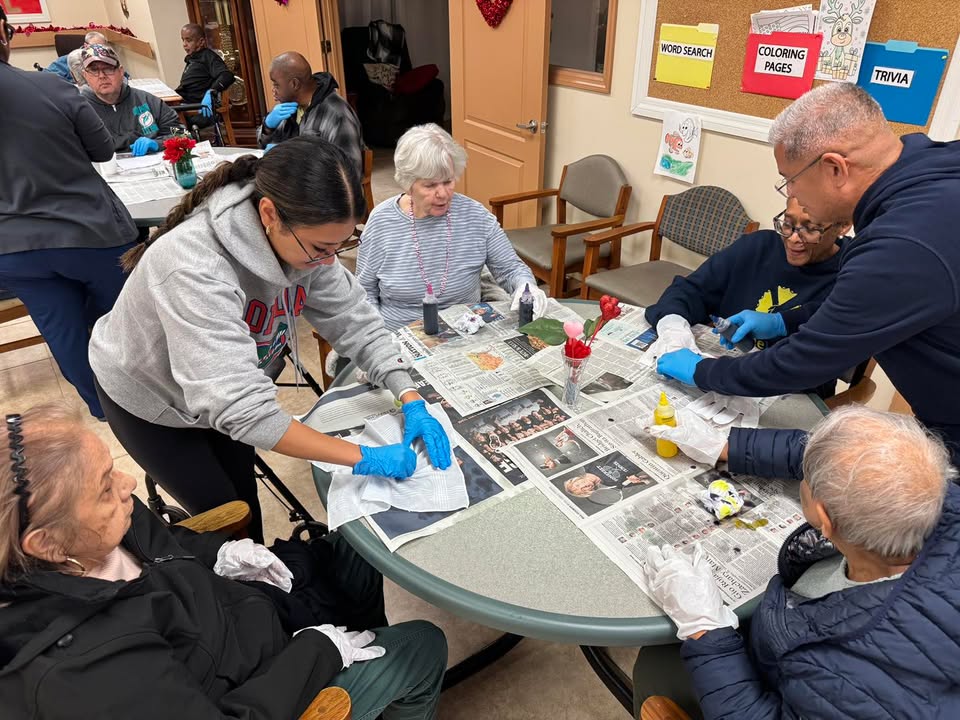
Adult day care centers provide essential support that enables working caregivers to maintain their careers while ensuring their loved ones receive quality care. These programs offer:
- Structured daily activities designed for cognitive stimulation and social engagement
- Professional supervision by trained staff experienced in dementia care
- Nutritious meals and medication management during program hours
- Peace of mind knowing your loved one is safe and engaged while you work
SarahCare of Coral Springs specializes in memory care with nearly 20 years of experience serving Broward County families. Our 1:5 staff-to-participant ratio ensures personalized attention, and our Specialized Alzheimer's Services License from AHCA demonstrates our commitment to excellence in dementia care.
Managing Stress and Preventing Burnout
Self-Care Strategies
Maintaining your own physical and emotional health is essential for long-term caregiving success:
- Prioritize sleep by establishing consistent bedtime routines
- Maintain social connections outside of work and caregiving responsibilities
- Exercise regularly, even if only brief walks during lunch breaks
- Practice stress-reduction techniques such as meditation, deep breathing, or journaling
Setting Realistic Expectations
Perfect balance is rarely achievable, but sustainable balance is possible when you:
- Accept that some days will be more challenging than others
- Focus on progress rather than perfection in both work and caregiving
- Regularly reassess and adjust your strategies as needs change
- Celebrate small victories and acknowledge your efforts
Financial Planning Considerations
Balancing work and caregiving often involves significant financial implications. Consider:
- Evaluating the cost-benefit of various care options
- Exploring tax deductions for dependent care expenses
- Investigating insurance benefits that may cover day care or respite services
- Planning for potential career impacts on retirement savings
Moving Forward with Confidence
Successfully balancing work and caregiving responsibilities requires ongoing adjustment and support. Remember that seeking help is not a sign of weakness but rather a strategic decision that benefits both you and your loved one.
Every family's situation is unique, and finding the right combination of workplace accommodations, family support, and professional services takes time. Be patient with yourself as you navigate this challenging but manageable journey.
If you're struggling to balance your career with caring for a loved one with Alzheimer's or dementia, SarahCare of Coral Springs is here to help. Our experienced team understands the challenges working caregivers face, and we offer flexible scheduling and a free 1-day trial to help you explore your options. Contact us at (954) 743-0003 to learn how we can support your family's unique needs and help you maintain the balance you need to thrive both personally and professionally.
Schedule a Free Trial Day
Experience our specialized care program with a complimentary 1-day trial. See our pricing and services or plan your visit.
Call (954) 743-0003