




Managing Chronic Pain in Seniors: Expert Tips & Support
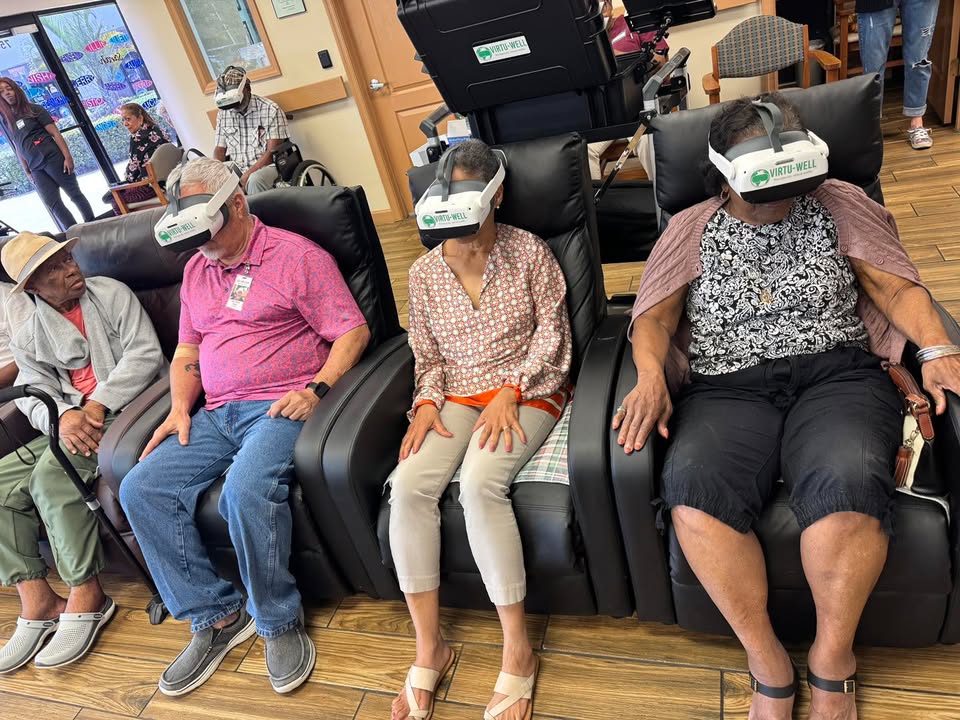
Chronic pain affects approximately 50-80% of seniors living in the United States, making it one of the most prevalent health challenges facing older adults today. For seniors with Alzheimer's disease or dementia, managing chronic pain becomes even more complex, as communication barriers can make it difficult to express discomfort or understand treatment instructions.
Understanding Chronic Pain in Seniors
Chronic pain is defined as persistent pain lasting longer than three months. Unlike acute pain, which serves as a warning signal for injury or illness, chronic pain often continues even after the initial cause has healed. Common sources of chronic pain in seniors include:
- Arthritis and joint disorders
- Back and neck problems
- Fibromyalgia
- Neuropathy
- Previous injuries or surgeries
- Cancer-related pain
Special Considerations for Seniors with Dementia
When cognitive impairment is present, pain management requires additional sensitivity and specialized approaches. Seniors with Alzheimer's or dementia may:
- Have difficulty articulating their pain levels
- Forget to take medications as prescribed
- Experience increased confusion or agitation due to untreated pain
- Show behavioral changes as their primary way of communicating discomfort
Recognizing Pain in Non-Verbal Seniors
Caregivers should watch for these potential indicators of pain:
- Physical signs: Grimacing, guarding certain body parts, changes in posture or gait
- Behavioral changes: Increased agitation, withdrawal from activities, sleep disturbances
- Vocal expressions: Moaning, calling out, or verbal complaints
- Changes in daily activities: Reluctance to move, eating difficulties, or resistance to care
Non-Pharmacological Pain Management Strategies
While medication can play an important role in pain management, non-drug approaches are often safer and more appropriate for seniors, especially those with cognitive impairment.
Physical Therapies
Gentle Exercise: Low-impact activities like walking, swimming, or chair exercises can help maintain mobility and reduce stiffness. Always consult with healthcare providers before beginning new exercise routines.
Heat and Cold Therapy: Warm baths, heating pads, or cold compresses can provide temporary relief for sore muscles and joints.
Massage: Gentle massage can improve circulation, reduce muscle tension, and provide comfort through human touch.
Mind-Body Approaches
Relaxation Techniques: Deep breathing exercises, progressive muscle relaxation, and guided imagery can help reduce pain perception and anxiety.
Music and Art Therapy: Creative activities can serve as positive distractions and help seniors focus on enjoyable experiences rather than pain.
Mindfulness and Meditation: Simple mindfulness exercises adapted for seniors can help manage pain-related stress and improve overall well-being.
Environmental Modifications for Comfort
Creating a comfortable environment can significantly impact pain levels:
- Ensure proper seating with good back support
- Maintain comfortable room temperatures
- Provide adequate lighting to prevent strain
- Remove trip hazards to prevent falls and additional injuries
- Consider ergonomic tools for daily activities
The Importance of Professional Support
Managing chronic pain in seniors requires a comprehensive approach involving healthcare professionals, family members, and specialized care providers. At SarahCare of Coral Springs, our experienced team understands the unique challenges of caring for seniors with chronic pain, particularly those living with Alzheimer's and dementia.
With nearly 20 years of experience serving Broward County and our specialized Alzheimer's Services License from AHCA, we provide personalized care plans that address both pain management and cognitive needs. Our 1:5 staff-to-participant ratio for memory care ensures that each individual receives the attention and support they deserve.
When to Seek Additional Help
Consider reaching out for professional support when:
- Pain interferes with daily activities or sleep
- Behavioral changes suggest untreated pain
- Current pain management strategies aren't providing relief
- Caregivers feel overwhelmed managing pain symptoms
- Multiple medications are causing confusion or side effects
Building a Support Network
Effective pain management often requires a team approach. This team might include:
- Primary care physicians
- Pain management specialists
- Physical therapists
- Occupational therapists
- Professional adult day care providers
- Family caregivers and friends
Managing chronic pain in seniors, especially those with cognitive challenges, requires patience, understanding, and professional expertise. If you're caring for a loved one struggling with chronic pain and memory issues, remember that you don't have to navigate this journey alone.
Contact SarahCare of Coral Springs at (954) 743-0003 to learn more about our specialized programs and how we can support your family. We offer a free 1-day trial to help you experience the compassionate, professional care we provide for seniors throughout Broward County.
Schedule a Free Trial Day
Experience our specialized care program with a complimentary 1-day trial. See our pricing and services or plan your visit.
Call (954) 743-0003