




Social Activities That Boost Senior Mental Health
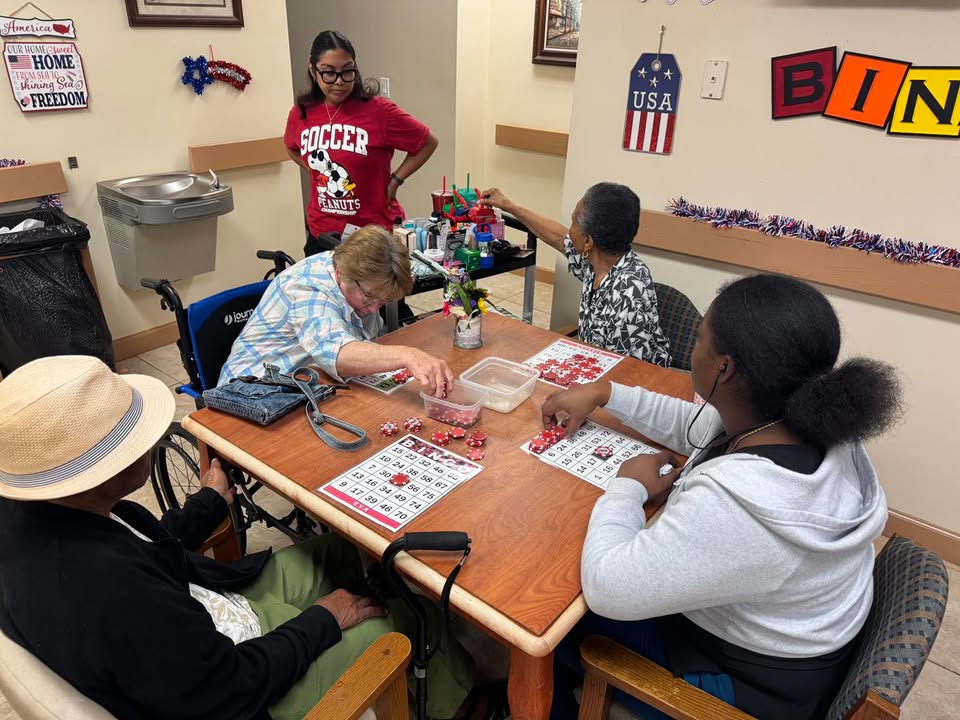
Social isolation affects nearly 35% of adults aged 45 and older, with the numbers climbing even higher among seniors with cognitive challenges. For individuals living with Alzheimer's disease and dementia, meaningful social engagement becomes not just beneficial—it's essential for maintaining mental health and slowing cognitive decline.
The good news is that carefully chosen social activities can make a profound difference in your loved one's emotional well-being, cognitive function, and overall quality of life.
The Science Behind Social Engagement and Brain Health
Research consistently shows that social interaction stimulates multiple areas of the brain simultaneously. When seniors engage in meaningful conversations, participate in group activities, or simply share a laugh with others, their brains release endorphins and dopamine—natural mood elevators that combat depression and anxiety.
For individuals with dementia, social activities can help preserve existing neural pathways while potentially creating new ones. This neuroplasticity effect means that even small daily interactions can contribute to maintaining cognitive abilities for longer periods.
Memory-Friendly Social Activities
Music and Movement Programs
Music therapy has shown remarkable results for seniors with cognitive challenges. Consider these engaging options:
- Sing-alongs featuring songs from their youth—often amazingly preserved in memory
- Gentle dancing or rhythmic movement to familiar tunes
- Musical instrument play using simple percussion or keyboard activities
- Live entertainment where residents can interact with performers
Reminiscence and Storytelling
Sharing memories creates powerful social bonds while exercising cognitive function:
- Photo sharing sessions where participants discuss family pictures or historical images
- Themed memory discussions about holidays, careers, or childhood experiences
- Storytelling circles that encourage both listening and sharing
- Historical timeline activities that connect personal memories to world events
Creative Arts and Crafts
Artistic activities provide non-verbal ways to connect while stimulating fine motor skills:
- Collaborative art projects like group murals or seasonal decorations
- Simple crafting such as card-making or flower arranging
- Cooking and baking activities that engage multiple senses
- Gardening projects that provide tactile stimulation and purpose
Intergenerational Connections
Some of the most meaningful social interactions happen across generations. Programs that bring together seniors with children or young adults create mutual benefits:
- Reading programs where seniors read to visiting children
- Technology mentoring where young people teach basic computer skills
- Holiday celebrations that bring families together in structured settings
- Pet therapy visits that provide comfort and conversation starters
Adapting Activities for Different Stages
The key to successful social programming lies in matching activities to individual abilities and interests. What works beautifully for someone in early-stage dementia may need significant modification for someone in later stages.
Early Stage Adaptations
Focus on activities that maintain independence while providing gentle cognitive stimulation. Book clubs, current events discussions, and strategic games often work well during this stage.
Middle Stage Modifications
Simplify activities while maintaining social elements. Shorter sessions, clearer instructions, and more hands-on assistance help ensure continued participation and enjoyment.
Later Stage Considerations
Sensory-based activities become increasingly important. Focus on touch, familiar music, and simple, repetitive motions that can be done alongside others.
Creating the Right Environment
The setting for social activities matters tremendously. Ideal environments are:
- Calm and quiet with minimal background noise or distractions
- Well-lit to help with visual processing challenges
- Comfortably sized for the group—not too large or overwhelming
- Familiar with consistent routines and expectations
The Role of Professional Adult Day Care
While family members can certainly implement many social activities at home, professional adult day centers bring specialized expertise and resources. SarahCare of Coral Springs has been serving families throughout Broward County for nearly 20 years, offering structured social programming specifically designed for individuals with Alzheimer's and dementia.
With a specialized Alzheimer's Services License from AHCA and a carefully maintained 1:5 staff-to-participant ratio for memory care, professional centers can provide the consistent, expert-led social engagement that makes such a difference in mental health outcomes.
Signs That Social Activities Are Working
Look for these positive indicators that social engagement is benefiting your loved one:
- Improved mood and reduced agitation
- Better sleep patterns
- Increased appetite and engagement at mealtimes
- More frequent smiles and laughter
- Decreased resistance to other daily activities
- Moments of clarity or increased responsiveness
Taking the Next Step
Social activities truly can transform the daily experience for seniors living with cognitive challenges. Whether you're looking for structured programming or considering adult day care services, remember that it's never too late to introduce meaningful social engagement into your loved one's routine.
If you're in the Coral Springs area and would like to see how professional social programming can benefit your family member, SarahCare of Coral Springs offers a free 1-day trial to help you make the best decision for your loved one's care. Call (954) 743-0003 to learn more about how specialized social activities can boost mental health and enhance quality of life for your family.
Schedule a Free Trial Day
Experience our specialized care program with a complimentary 1-day trial. See our pricing and services or plan your visit.
Call (954) 743-0003