




Brain Games and Puzzles for Cognitive Health in Seniors
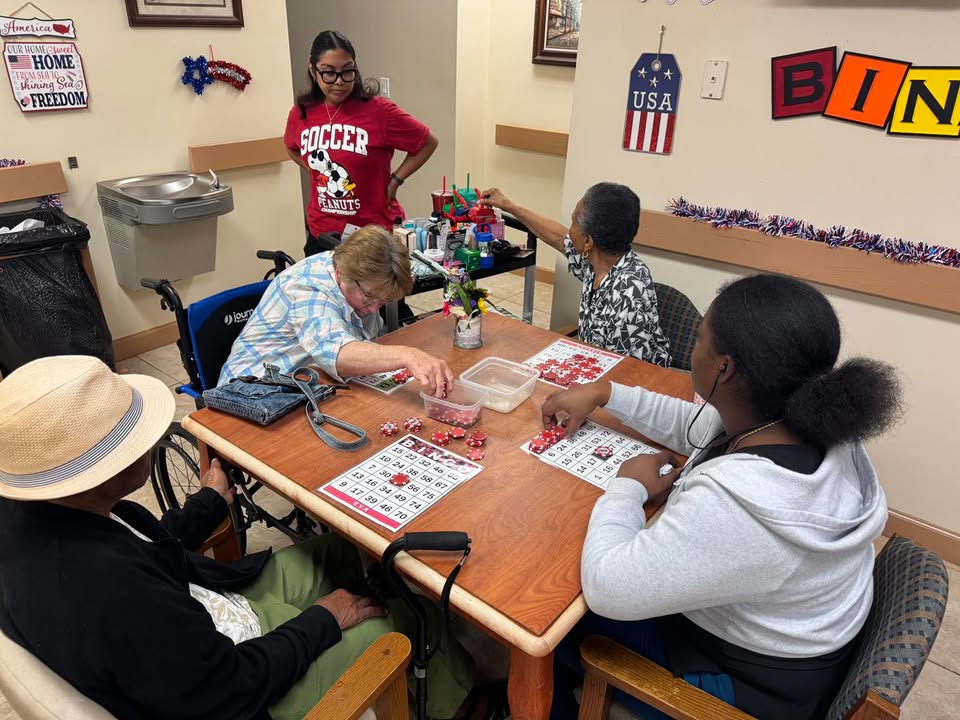
When a loved one is diagnosed with Alzheimer's disease or another form of dementia, families often feel a deep desire to help in any way they can. While there is no cure, research continues to show that mental stimulation plays a meaningful role in supporting cognitive health, slowing decline, and improving overall quality of life. Brain games and puzzles are among the most accessible and enjoyable tools available, and the good news is that they can be adapted for nearly any ability level.
Why Mental Stimulation Matters for Aging Brains
The brain, much like the body, benefits from regular exercise. According to the Alzheimer's Association, mentally stimulating activities may help build cognitive reserve, which is the brain's ability to compensate for damage caused by disease. While these activities cannot reverse dementia, studies suggest they can help maintain function longer and contribute to a greater sense of purpose and engagement.
Beyond the science, there is something deeply human about solving a puzzle or completing a word game. These activities can spark conversations, trigger fond memories, and give seniors a sense of accomplishment that is good for both mind and spirit.
The Best Brain Games for Seniors with Dementia
Not every brain game is right for every person. The key is finding activities that match your loved one's current abilities, interests, and attention span. Starting too complex can lead to frustration, while activities that feel too simple may feel dismissive. Here is a look at some of the most effective options:
Jigsaw Puzzles
Jigsaw puzzles are a classic for good reason. They engage visual-spatial reasoning, concentration, and fine motor skills all at once. For seniors with moderate to advanced dementia, look for large-piece puzzles designed specifically for adults. Many feature familiar images like nature scenes, animals, or classic artwork that can spark recognition and conversation. Starting with puzzles of 12 to 48 pieces and working up gradually can help build confidence.
Word Games and Crosswords
Word searches, crossword puzzles, and simple word association games tap into language centers of the brain. For early-stage dementia, standard crossword puzzles from a newspaper or puzzle book can be a great daily habit. As needs change, large-print word searches or category-based games (naming fruits, animals, or cities) are excellent alternatives that feel more like conversation than a test.
Card Games and Board Games
Card games like Go Fish, Rummy, or simple matching games combine memory, strategy, and social interaction in one activity. The social element is especially valuable since connection and engagement are powerful contributors to emotional wellbeing. Board games like checkers or dominoes are also well-suited for seniors because the rules are familiar and the pace can be relaxed.
Number and Pattern Activities
Sudoku and number-matching activities help exercise logical thinking. For those who were comfortable with numbers earlier in life, these can feel satisfying and familiar. Easier versions with larger grids and fewer numbers are widely available and make a great starting point.
Trivia and Memory Games
Trivia games tailored to older generations can be wonderfully engaging. Questions about history, classic films, music from the 1940s through 1960s, or famous landmarks often tap into long-term memory, which tends to be better preserved in dementia than short-term memory. This can give seniors a real boost of confidence and pride.
Tips for Making Brain Games Enjoyable
The goal is always engagement and enjoyment, not performance. Keeping that in mind will help both you and your loved one get the most out of these activities.
- Follow their lead. Pay attention to what holds their attention and brings a smile. If crosswords feel frustrating, try a word search. If puzzles feel challenging, switch to a matching card game.
- Keep sessions short. Fifteen to thirty minutes is often enough. Ending on a positive note is more important than finishing the activity.
- Make it social. Doing a puzzle together or playing a card game as a family adds warmth and connection that multiplies the benefit.
- Eliminate distractions. A quiet, well-lit space helps seniors focus. Turn off the television and minimize background noise when possible.
- Celebrate effort, not results. Praise participation and enjoyment rather than correct answers. The process matters far more than the outcome.
- Rotate activities. Variety keeps things fresh and stimulates different parts of the brain. Mixing visual puzzles with word games and social card games is a great approach.
Other Forms of Cognitive Stimulation Worth Exploring
Brain games and puzzles are just one piece of the puzzle (no pun intended). Other activities can complement them beautifully as part of a well-rounded daily routine:
- Music and singing: Music activates multiple areas of the brain and is one of the most powerful memory triggers available. Listening to familiar songs or singing along to old favorites can reduce anxiety and improve mood.
- Reminiscence activities: Looking through photo albums, handling familiar objects, or discussing memories from earlier decades stimulates long-term memory and storytelling skills.
- Art and creative projects: Painting, coloring, and simple crafts engage both cognitive and motor skills while providing a meaningful outlet for self-expression.
- Gentle physical activity: Exercise increases blood flow to the brain and has been linked to improved cognitive function. Even a short walk or seated stretching routine counts.
How Professional Day Programs Support Cognitive Health
At SarahCare of Coral Springs, cognitive stimulation is woven into every day. With nearly 20 years of experience serving families in Broward County and a specialized Alzheimer's Services License from the Agency for Health Care Administration (AHCA), our team understands how to engage seniors at every stage of memory loss. Our 1:5 staff-to-participant ratio for memory care means that activities are personalized, supervised, and genuinely enjoyable rather than generic or rushed.
Structured programming at an adult day center like SarahCare provides something that can be difficult to replicate at home: consistent daily rhythm, social connection with peers, and professionally guided activities designed specifically for cognitive health. For many families in Coral Springs and the surrounding Broward County area, this combination makes a noticeable difference in their loved one's mood, engagement, and overall wellbeing.
Starting Today
You do not need special training or expensive equipment to get started with brain games at home. A simple deck of cards, a large-piece puzzle from a local store, or a printed word search can open the door to meaningful daily engagement. Start small, stay flexible, and remember that the relationship and presence you bring to these moments matter just as much as the activity itself.
If you are looking for additional support for your loved one, we encourage you to reach out to SarahCare of Coral Springs. We offer a free one-day trial so families can experience our programs firsthand with no commitment. Our compassionate team is here to answer your questions and help you find the best path forward. Call us today at (954) 743-0003 and let us be part of your family's support system.
Schedule a Free Trial Day
Experience our specialized care program with a complimentary 1-day trial. See our pricing and services or plan your visit.
Call (954) 743-0003