




Managing Behavioral Changes in Dementia: A Caregiver's Guide
Behavioral changes are among the most difficult parts of dementia, not just for the person living with the disease, but for the family members and caregivers who love them. Aggression, repetitive questions, wandering, sleep disturbances, and sudden mood swings can feel unpredictable and overwhelming. But these behaviors are not intentional. They are symptoms of a changing brain, and with the right strategies, they can often be managed more effectively than most families realize.
Why Behavioral Changes Happen in Dementia
Dementia damages the parts of the brain responsible for memory, reasoning, communication, and emotional regulation. As those areas deteriorate, the person living with dementia may struggle to express their needs, understand their surroundings, or process emotions in the way they once did. The result is often behavior that seems sudden or confusing from the outside.
According to the Alzheimer's Association, up to 90 percent of people with dementia will experience some form of behavioral or psychological symptom during the course of their illness. These symptoms are a primary reason families seek outside support, and they are one of the leading causes of caregiver burnout.
Common behavioral changes include:
- Agitation and restlessness, especially in the late afternoon (sometimes called sundowning)
- Repetitive questions or actions, such as asking the same thing dozens of times a day
- Aggression or verbal outbursts, often triggered by frustration or fear
- Wandering, which can create serious safety concerns
- Withdrawal and apathy, where the person loses interest in activities they once enjoyed
- Sleep disturbances, including waking at night or sleeping too much during the day
- Suspicion or paranoia, such as accusing others of stealing or lying
Recognizing these behaviors as symptoms rather than personal choices is the first and most important shift caregivers can make.
Practical Strategies for Responding to Behavioral Changes
Look for the Unmet Need Behind the Behavior
Most behavioral episodes in dementia are triggered by something: pain, hunger, thirst, loneliness, overstimulation, or fear. Before reacting to the behavior itself, pause and ask what need might be going unmet. A person who becomes agitated every afternoon may be tired. Someone who is resistant to bathing may be frightened or cold. Treating the underlying cause is almost always more effective than addressing the behavior directly.
Keep a Consistent Routine
People with dementia rely heavily on routine because it provides a sense of predictability in a world that increasingly feels confusing. Consistent mealtimes, activity schedules, and bedtime rituals can reduce anxiety and lower the frequency of difficult behaviors. Even small disruptions to a routine, such as a change in caregiver or a visit to a new location, can trigger distress. When changes are unavoidable, give as much advance preparation and reassurance as possible.
Use Calm, Simple Communication
When a person with dementia is upset, the tone of your voice matters as much as your words. Speak slowly, use short sentences, and maintain a calm and reassuring tone. Avoid arguing, correcting, or trying to reason through the logic of a situation. If your loved one believes something that is not true, such as thinking a long-deceased parent is still alive, it is usually kinder and more effective to enter their reality gently rather than challenge it.
Reduce Environmental Triggers
The environment plays a powerful role in dementia behavior. Loud televisions, cluttered spaces, poor lighting, and too many people talking at once can all increase agitation. Try to create a calm, uncluttered space with familiar objects, soft lighting, and manageable levels of noise and activity. Familiar music from your loved one's younger years can be especially soothing and has been shown in research to reduce agitation and improve mood.
Redirect and Engage
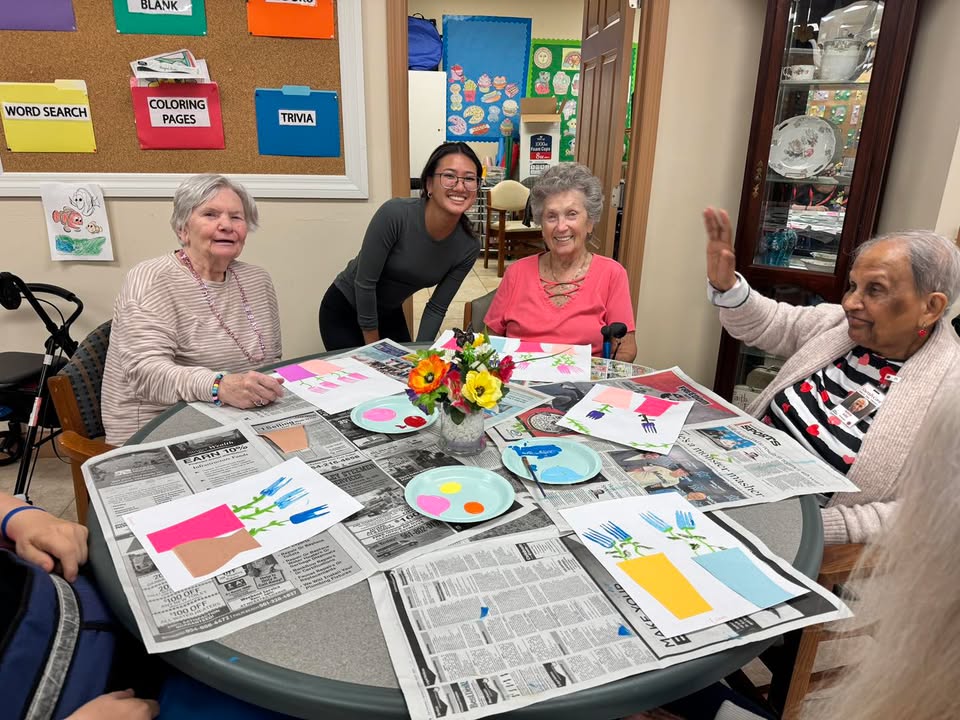
When a behavior becomes difficult to manage, gentle redirection can be one of your most effective tools. Offer a simple activity, a snack, a short walk, or a topic your loved one has always enjoyed. The goal is not to distract in a dismissive way, but to offer something meaningful that meets the person where they are emotionally. Activities that involve the hands, such as folding towels, sorting objects, or simple crafts, are often especially helpful for restlessness and repetitive behaviors.
Prioritize Physical Health and Comfort
Physical discomfort is one of the most common and most overlooked triggers for behavioral changes. Pain, urinary tract infections, constipation, and medication side effects can all cause sudden increases in agitation, confusion, or aggression. If a behavior change is sudden or unusually severe, consult with the person's physician to rule out a medical cause before assuming it is purely dementia-related.
Taking Care of Yourself as a Caregiver
Managing behavioral changes in dementia is not something you should have to do entirely on your own. Caregiver stress and burnout are real and serious concerns. Studies show that dementia caregivers report significantly higher rates of depression, anxiety, and physical health problems than non-caregiving peers. Taking time for your own wellbeing is not a luxury. It is a necessity that directly affects the quality of care you are able to provide.
Respite care, support groups, and professional day programs are not signs that a family has given up on their loved one. They are signs that a family is committed to doing this well, for the long haul.
How SarahCare of Coral Springs Can Help
At SarahCare of Coral Springs, we understand how exhausting and emotionally complex it can be to manage dementia-related behavioral changes at home. Our adult day program is specifically designed to support individuals with Alzheimer's and dementia in a structured, compassionate environment, giving both participants and their families a meaningful break during the day.
We hold a Specialized Alzheimer's Services License from the Agency for Health Care Administration (AHCA), reflecting our deep commitment to dementia-specific care. With nearly 20 years of experience serving families throughout Broward County, our team is trained to work with the full range of behavioral symptoms that dementia can bring. Our 1:5 staff-to-participant ratio in our memory care program means your loved one receives attentive, individualized support throughout the day.
We also offer a free one-day trial so families can experience our program firsthand before making any commitment. We know that trust is earned, and we welcome the opportunity to show you what compassionate, professional dementia care looks like in practice.
You Do Not Have to Face This Alone
Caring for someone with dementia is one of the most demanding and meaningful things a person can do. The behavioral changes that come with the disease are real, and they are hard. But with the right strategies, the right support, and the right team beside you, this journey does not have to be faced in isolation.
If you are struggling with a loved one's behavioral changes and want to learn more about how our program can help, we encourage you to reach out to us today. Call SarahCare of Coral Springs at (954) 743-0003 to speak with a member of our team or to schedule your free trial day. We are here, and we are ready to help.
Schedule a Free Trial Day
Experience our specialized care program with a complimentary 1-day trial. See our pricing and services or plan your visit.
Call (954) 743-0003