




Building a Support Network as a Caregiver
According to the Alzheimer's Association, more than 11 million Americans provide unpaid care for someone living with Alzheimer's or another form of dementia. Many of those caregivers report feeling isolated, overwhelmed, and emotionally exhausted. If that sounds familiar, you are not alone, and more importantly, you do not have to stay in that place.
Building a support network is not a luxury for caregivers. It is a necessity. The people who surround you, whether they are family members, friends, neighbors, or professionals, can mean the difference between burnout and balance. This guide will walk you through practical steps to build the kind of network that truly supports both you and your loved one.
Why Caregiver Support Matters
Caregiver burnout is real and well-documented. Studies show that family caregivers of people with dementia are at significantly higher risk for depression, anxiety, and physical health problems compared to non-caregivers. When a caregiver's well-being suffers, the quality of care they are able to provide often suffers too.
A strong support network helps in several key ways:
- It distributes the emotional and physical load of caregiving
- It gives you regular breaks so you can rest and recharge
- It connects you with people who understand what you are going through
- It provides access to practical resources and professional guidance
- It reduces the feeling of isolation that so many caregivers experience
The sooner you begin building your network, the better equipped you will be for the long road ahead.
Start with the People Already in Your Life
Many caregivers hesitate to ask for help because they do not want to burden others, or they assume people will volunteer if they truly want to help. In reality, friends and family members often want to help but do not know what to offer. Being specific makes it easier for them to say yes.
Have an Honest Conversation
Gather the people closest to you, whether in person or over a group call, and be transparent about what caregiving looks like in your household. Explain the daily demands, the emotional weight, and where you genuinely need help. Most people respond with more generosity when they understand the full picture.
Create a Task List
Break down caregiving tasks into specific, manageable pieces. Think about things like grocery runs, driving to appointments, preparing a meal, or simply sitting with your loved one for an hour so you can nap or take a walk. When you present concrete tasks, people know exactly what they are signing up for.
Use Coordination Tools
Free platforms like CaringBridge or Lotsa Helping Hands allow you to post updates about your loved one and create a shared calendar where volunteers can sign up for specific tasks. These tools take the awkward back-and-forth out of coordinating help.
Connect with Other Caregivers
There is a particular kind of comfort that comes from talking to someone who truly understands what you are going through. Other caregivers can offer empathy, practical tips, and a judgment-free space to vent, grieve, and laugh.
Join a Local or Online Support Group
The Alzheimer's Association offers caregiver support groups throughout Broward County, including options that meet in person and virtually. These groups are free, facilitated by trained professionals, and open to anyone caring for a person with dementia.
Online communities, such as those found on Facebook or the ALZConnected forum, can also be valuable, especially on the days when leaving the house feels impossible.
Build Friendships Within the Community
When your loved one attends an adult day center, you often connect with other families who are navigating similar challenges. Those casual conversations in the parking lot or waiting area can grow into genuine friendships and informal support systems over time.
Build a Professional Support Team
A strong support network includes professionals who bring expertise you simply cannot provide on your own. Think of this as your caregiving team, each member contributing something unique.
Primary Care and Specialist Physicians
Stay closely connected with your loved one's medical team. Do not hesitate to call with questions between appointments, and bring a written list of concerns to every visit. Ask about geriatric care managers in your area if you need someone to help coordinate complex medical needs.
Mental Health Support for You
Seeing a therapist or counselor who works with caregivers can be transformative. Grief, guilt, anger, and exhaustion are all normal parts of caregiving, and having a professional space to process those feelings helps you show up better for your loved one.
Adult Day Care Services
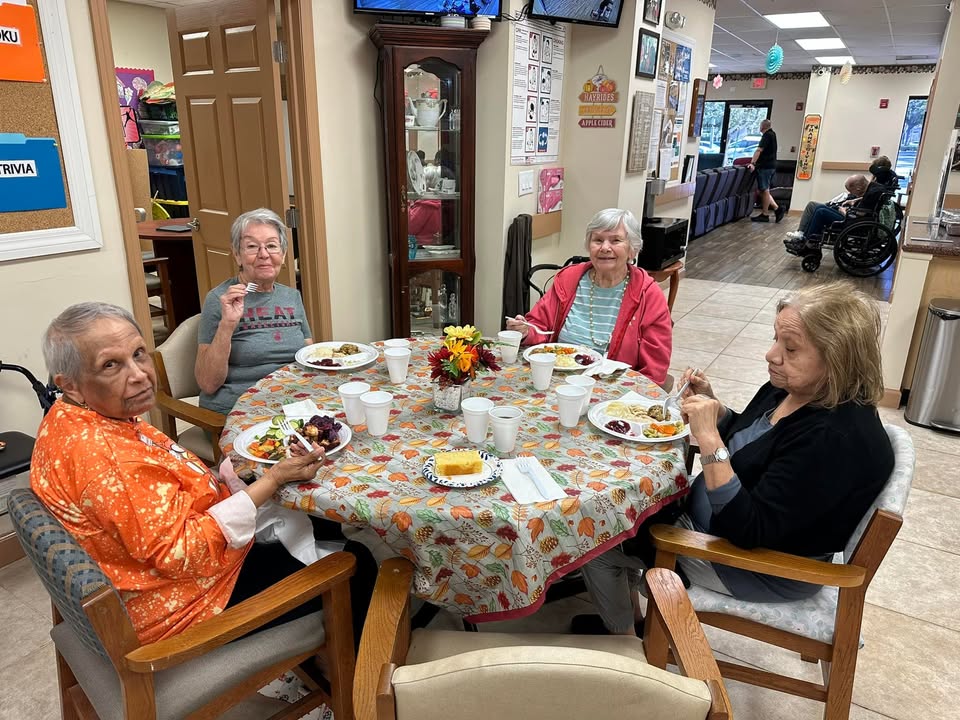
Adult day care is one of the most practical and effective forms of respite available to dementia caregivers. It gives your loved one a structured, engaging, and supervised environment during the day while you work, rest, or simply take care of yourself.
At SarahCare of Coral Springs, families across Broward County have access to specialized memory care programming designed specifically for individuals with Alzheimer's and other forms of dementia. With nearly 20 years of experience, a Specialized Alzheimer's Services License from the Agency for Health Care Administration (AHCA), and a 1:5 staff-to-participant ratio for memory care, SarahCare provides the kind of attentive, professional care that gives caregivers genuine peace of mind.
Set Boundaries and Communicate Clearly
A support network only works if you are clear about what you need and willing to accept help when it is offered. That requires setting honest expectations with everyone involved.
- Be honest about your limits. If you are reaching a breaking point, say so. People cannot help if they do not know you need it.
- Learn to say yes. When someone offers to help, resist the urge to say "I'm fine." Let people in.
- Protect your own time. Schedule at least one block of time each week that is just for you, and guard it as you would any important appointment.
- Communicate changes. As your loved one's condition progresses, your needs will shift. Keep the people in your network updated so they can adjust how they help.
Take Advantage of Community Resources
Broward County has a number of resources specifically for dementia caregivers that often go underutilized. The Broward County Aging and Disability Resource Center can connect you with local services including respite care, caregiver training, and financial assistance programs. The Florida Department of Elder Affairs also offers guidance through its SHINE program for insurance counseling and other elder care services.
Do not wait until you are in crisis to explore these options. Reaching out early means you already have a plan in place when you need it most.
You Deserve Support Too ❤️
Caregiving is an act of profound love, but love alone cannot sustain you through the demands of dementia care. The caregivers who fare best over time are those who allow themselves to receive support, not just give it.
If you are caring for a loved one with Alzheimer's or dementia in the Coral Springs area and you are ready to explore how adult day care can be part of your support plan, we invite you to reach out to SarahCare of Coral Springs. A free one-day trial is available so your loved one can experience our program firsthand. Call us at (954) 743-0003 to learn more or to schedule a visit. You do not have to do this alone.
Schedule a Free Trial Day
Experience our specialized care program with a complimentary 1-day trial. See our pricing and services or plan your visit.
Call (954) 743-0003