




Chair Exercises for Seniors with Dementia: A Gentle Guide
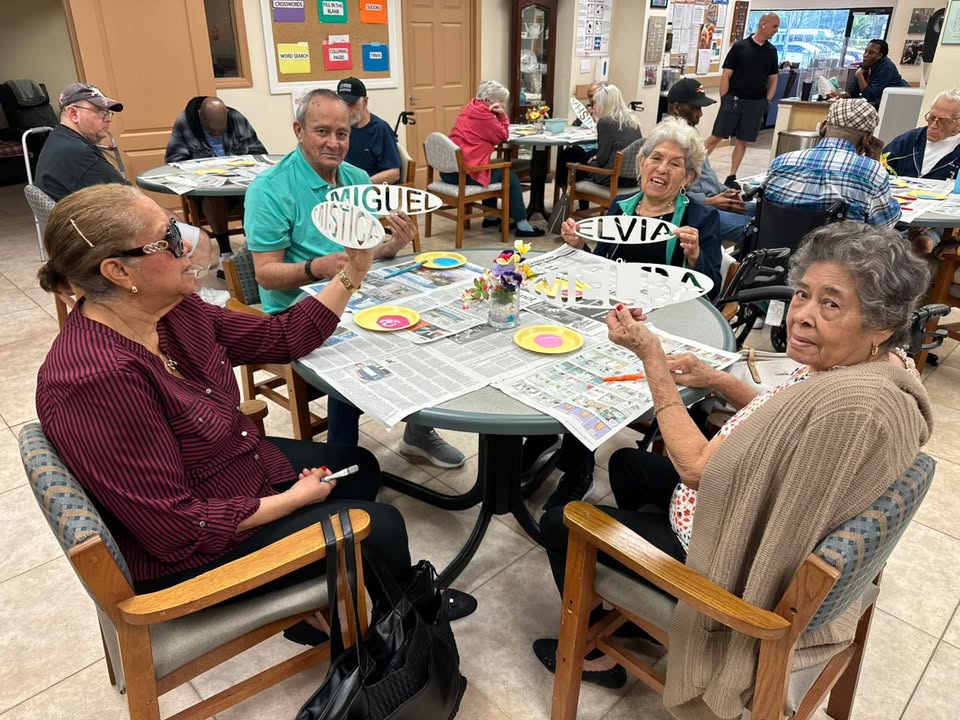
When a loved one is living with Alzheimer's or another form of dementia, it is easy for physical activity to slip down the list of priorities. Appointments, medications, meals, and daily routines can fill every hour. Yet movement remains one of the most powerful tools families have for supporting both body and mind. The good news is that exercise does not need to be strenuous or complicated. Seated, or chair-based, exercises allow older adults to stay active safely, even when balance, stamina, or memory are changing.
In this guide, we share why chair exercises matter, simple routines you can try at home, and practical tips for making movement a positive part of your loved one's day.
Why Movement Matters for Seniors with Dementia
The Centers for Disease Control and Prevention (CDC) recommends that adults 65 and older aim for about 150 minutes of moderate activity each week, along with activities that build strength and improve balance. For someone with dementia, reaching that goal may look different, but every bit of movement counts.
Regular, gentle exercise can help:
- Preserve strength and mobility, making everyday tasks like standing up, dressing, and walking easier.
- Reduce fall risk. According to the CDC, about one in four older adults falls each year, and stronger legs and core muscles help lower that risk.
- Improve mood and reduce agitation. Physical activity releases feel-good chemicals in the brain and can ease restlessness, anxiety, and some behavioral symptoms.
- Support better sleep by helping regulate the body's natural rhythms.
- Encourage connection. Exercising together, or in a group, creates opportunities for laughter, conversation, and a sense of accomplishment.
Why Chair Exercises Are a Smart Choice
Chair exercises remove many of the barriers that keep seniors from moving. Because participants remain seated or use the chair for support, the risk of falling is much lower. Movements can be adjusted for any ability level, and routines are easy to repeat, which is especially helpful for people with memory loss who benefit from familiarity and structure.
Before starting any new exercise routine, check with your loved one's doctor, particularly if they have heart conditions, joint replacements, or other health concerns.
Simple Chair Exercises to Try at Home
Use a sturdy chair without wheels or armrests that get in the way. Your loved one should sit toward the front of the seat with feet flat on the floor. Aim for 5 to 10 repetitions of each movement, and stop if anything causes pain.
1. Seated Marching
Lift one knee toward the chest, lower it, then lift the other, as if marching in place. This warms up the body, gets the blood flowing, and strengthens the hips and thighs. Try marching to a favorite song for extra fun.
2. Arm Circles
Extend the arms out to the sides at shoulder height and make small circles forward, then backward. This builds shoulder strength and flexibility, which helps with reaching for items and getting dressed.
3. Ankle Pumps and Circles
Point the toes toward the floor, then flex them up toward the shins. Next, gently roll each ankle in circles. These movements improve circulation and support balance when walking.
4. Seated Leg Extensions
Slowly straighten one leg out in front, hold for a count of three, then lower it. Switch sides. This strengthens the quadriceps, the muscles that help us stand up from a seated position.
5. Shoulder Shrugs and Rolls
Lift the shoulders toward the ears, then relax them down. Follow with slow shoulder rolls forward and back. This is a wonderful way to release tension and encourage relaxation.
6. Sit-to-Stand (with Support)
For those who are able, practice standing up from the chair and sitting back down slowly, with a caregiver nearby or a stable surface to hold. This functional movement directly supports independence in daily life.
7. Gentle Seated Twists
With hands resting on the thighs, slowly turn the upper body to one side, pause, then return to center and turn to the other side. This supports spinal flexibility and posture.
Tips for Making Exercise Enjoyable and Successful
For people living with dementia, how an activity is presented matters just as much as the activity itself. These strategies can help:
- Keep it short and consistent. Ten to fifteen minutes once or twice a day is a great start. Try to exercise at the same time each day to build routine.
- Demonstrate instead of explaining. Sit across from your loved one and model each movement. Mirroring is often easier than following verbal instructions.
- Add music. Familiar songs from your loved one's younger years can boost motivation and make movement feel like celebration rather than a chore.
- Use simple props. Soft balls, scarves, light resistance bands, or balloons can make exercises more engaging.
- Offer praise and encouragement. Focus on participation, not perfection. Every effort deserves recognition.
- Watch for signs of fatigue. Shortness of breath, dizziness, confusion, or frustration are signals to slow down or rest.
- Stay hydrated. Offer water before and after activity, especially during warm Florida days.
Adapting as Needs Change
Dementia is progressive, so a routine that works today may need adjusting later. In earlier stages, your loved one may enjoy seated exercises combined with short walks. In later stages, even gentle hand squeezes, finger stretches, or assisted arm movements can offer comfort and help maintain range of motion. Physical and occupational therapists can recommend modifications tailored to your loved one's abilities.
Remember that the goal is not fitness in the traditional sense. It is comfort, dignity, connection, and helping your loved one feel capable and engaged.
How Adult Day Care Supports an Active Lifestyle
Many family caregivers find it hard to lead exercise sessions every day while managing everything else. Structured group programs can make a meaningful difference. At SarahCare of Coral Springs, gentle exercise and chair-based movement are woven into each day's schedule, led by trained staff who understand the unique needs of people living with memory loss. With a Specialized Alzheimer's Services License from AHCA and a 1:5 staff-to-participant ratio for memory care, we can offer the personal attention and encouragement that helps participants move safely and confidently.
Group exercise also brings the benefits of socialization. Moving alongside peers, sharing smiles, and enjoying music together often motivates participants in ways that solo exercise at home cannot.
We Are Here to Help 🤝
Supporting a loved one with dementia is a journey, and you do not have to walk it alone. For nearly 20 years, SarahCare of Coral Springs has helped families across Broward County keep their loved ones active, engaged, and cared for in a warm, safe environment. We invite you to experience our program firsthand with a free 1-day trial.
Call us today at (954) 743-0003 to schedule a visit, ask questions, or learn more about how our daily activities can help your loved one stay strong in body and spirit.
Schedule a Free Trial Day
Experience our specialized care program with a complimentary 1-day trial. See our pricing and services or plan your visit.
Call (954) 743-0003