




Financial Planning Tips for Dementia Caregivers
When a loved one is diagnosed with Alzheimer's disease or another form of dementia, families often focus first on the emotional and medical aspects of caregiving. That is completely understandable. But the financial side of dementia care deserves early attention too, because the decisions you make in the first months after a diagnosis can have a lasting impact on your family's security and your loved one's quality of life.
According to the Alzheimer's Association, the average lifetime cost of care for a person with dementia exceeds $350,000, and much of that expense falls on families directly. With early planning, though, you can protect assets, access available benefits, and reduce the financial stress that so often compounds the emotional weight of caregiving.
Start With Legal Documents Right Away
One of the most important steps you can take early in the caregiving journey is to make sure the right legal documents are in place. As dementia progresses, your loved one may lose the legal capacity to make decisions on their own behalf, which means these documents need to be completed while they can still participate.
- Durable Power of Attorney: This document allows a trusted person to manage financial matters on behalf of your loved one. Without it, you may need to pursue a costly and time-consuming court-appointed guardianship.
- Healthcare Surrogate Designation: This appoints someone to make medical decisions when your loved one can no longer do so themselves.
- Living Will: This outlines your loved one's wishes for end-of-life care and removes the burden of guessing from family members.
- Updated Will or Trust: Review existing estate documents to make sure they reflect your loved one's current wishes and circumstances.
Consulting with an elder law attorney who is familiar with Florida-specific regulations is highly recommended. Many offer initial consultations at low or no cost, and the investment in proper legal planning pays dividends for years to come.
Understand the True Cost of Dementia Care
Many caregivers underestimate how much dementia care costs over time, particularly because the disease can span many years. Costs typically include prescription medications, physician and specialist visits, in-home assistance, memory care programs, and eventually, residential placement. These expenses add up quickly, and they often increase as the disease progresses.
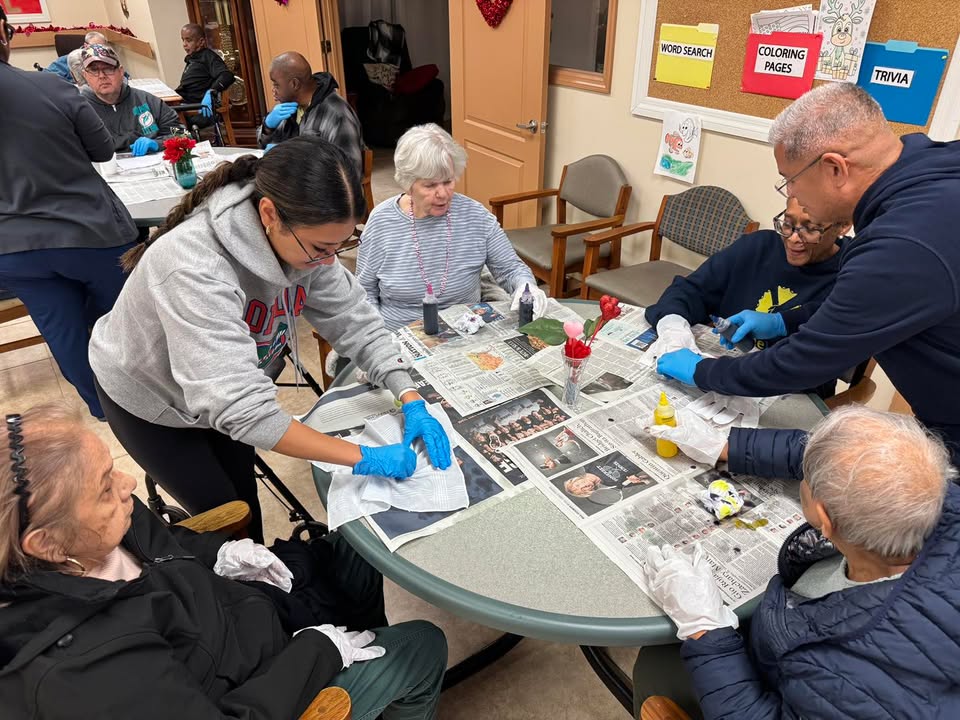
Adult day care programs, like those offered at SarahCare of Coral Springs, can be a cost-effective alternative to full-time in-home care or residential memory care facilities. Participants receive structured, therapeutic programming in a safe environment during the day, while family caregivers can continue working or simply recharge. This model often costs significantly less than around-the-clock home care while still delivering specialized, high-quality support.
Explore Benefits and Financial Assistance Programs
Many families are surprised to learn that financial help is available from a variety of sources. Knowing which programs your loved one may qualify for can significantly reduce out-of-pocket costs.
Medicare
Medicare covers certain medical services related to dementia, including physician visits, some medications, and short-term skilled nursing care following a hospital stay. However, Medicare does not cover long-term custodial care, which is the kind of ongoing daily assistance that most people with dementia eventually need.
Medicaid
Florida's Medicaid program does cover long-term care services for eligible individuals, including adult day care programs and nursing home care. Eligibility is based on income and asset limits, and planning ahead with an elder law attorney can help your loved one qualify without unnecessarily depleting family resources.
Veterans Benefits
If your loved one is a veteran, the VA Aid and Attendance benefit can provide meaningful financial assistance for long-term care costs. This is an underused benefit that many qualifying families never access simply because they do not know it exists. Contact your local VA office or a Veterans Service Organization for guidance.
Florida's Community Care for the Elderly (CCE) Program
This state-funded program provides home and community-based services to frail elders in Florida who are at risk of nursing home placement. Services may include adult day care, personal care, and respite for family caregivers. Income and functional eligibility requirements apply.
Plan for Caregiver Income Loss
It is easy to overlook the financial impact on the caregiver as well. Many family caregivers reduce their work hours, take unpaid leave, or leave the workforce entirely to provide care. This affects not only current income but also future retirement savings and Social Security benefits.
If you are a working caregiver, explore whether your employer offers a Flexible Spending Account (FSA) for dependent care, which can reduce your taxable income when paying for adult day programs. You may also be eligible for the federal Child and Dependent Care Tax Credit, which can apply to adult day care expenses for a qualifying dependent.
Keeping detailed records of all caregiving expenses is important, both for tax purposes and for tracking overall costs as you plan ahead.
Build a Care Team and a Financial Team
No caregiver should face these decisions alone. Building a team of trusted professionals around you and your loved one can make the process far less overwhelming.
- Elder law attorney: For legal documents, Medicaid planning, and asset protection strategies.
- Financial advisor with elder care experience: For long-term care insurance review, investment planning, and retirement projections.
- Certified Senior Advisor or Aging Life Care Manager: For help navigating care options and coordinating services.
- Social worker or caregiver support organization: For emotional support, local resources, and connecting with programs in your area.
Do Not Wait to Have the Conversation
One of the biggest financial mistakes families make is waiting too long to plan. Conversations about money, legal documents, and care preferences can feel uncomfortable, but they are far easier to have early, while your loved one can still participate and express their wishes.
Create a shared document or binder that includes account information, insurance policies, legal documents, and important contacts. Store it somewhere secure but accessible to trusted family members. This simple step can save enormous confusion during a crisis.
You Do Not Have to Do This Alone ❤️
At SarahCare of Coral Springs, we understand the full picture of what families face when caring for a loved one with dementia. With nearly 20 years of experience serving Broward County, a specialized Alzheimer's Services License from AHCA, and a dedicated 1:5 staff-to-participant ratio for memory care, our team is here to support both your loved one and you.
We also offer a free one-day trial so your family can experience our program firsthand before making any commitment. Adult day care at SarahCare is not just a practical and affordable care option. It is a place where your loved one is known, valued, and cared for with expertise and warmth every single day.
If you are navigating the financial and emotional complexities of dementia caregiving and would like to learn more about how we can help, we would love to hear from you. Call us at (954) 743-0003 or visit us to schedule your free trial day. You do not have to figure all of this out on your own, and the right support can make a world of difference.
Schedule a Free Trial Day
Experience our specialized care program with a complimentary 1-day trial. See our pricing and services or plan your visit.
Call (954) 743-0003